


Two weeks ago, I visited the Vagina Museum in Bethnal Green, London. The project started in 2017 when Florence Schechter, the founder, discovered that a penis museum existed in Iceland, The Icelandic Phallological Museum, but there were none about the vulva or vagina, so she decided to resolve it. After a series of pop-up shops and exhibitions, also at the Edinborough’s Fringe Festival, in 2019 the Vagina Museum found its first location in the Camden Market of Camden Town thanks to a fundraising that earned almost 50,000 pounds and obtained the status of charity. In 2021 this location closed, and it was opened again in March 2022 in Bethnal Green (Poyser Street), under two railway arches (with another 85,000 pounds fundraising). The museum could be shut down next month if it doesn’t reach the new fundraising amount, with the purpose not only to survive but to thrive.
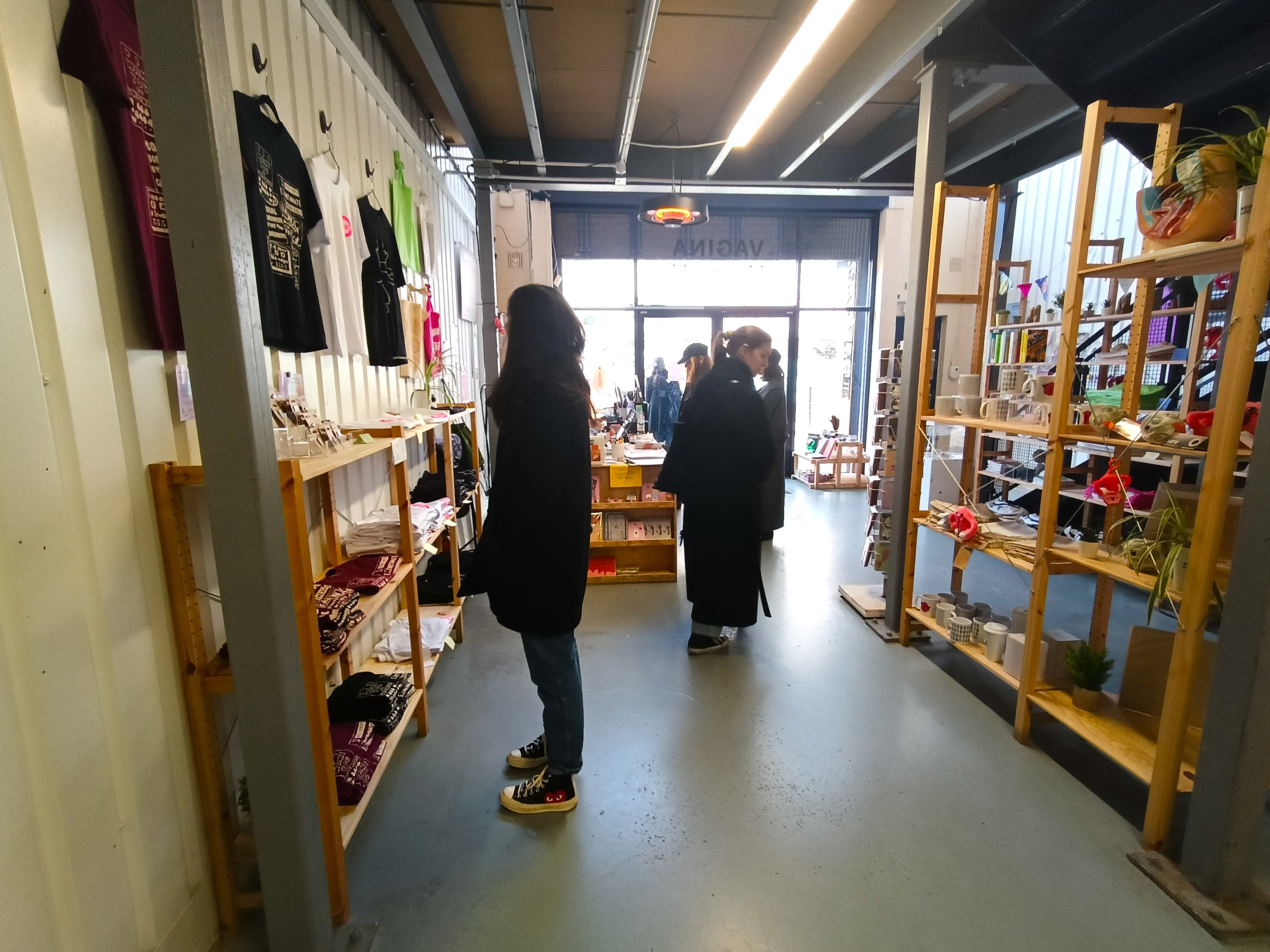
The museum’s purpose: vagina celebration
The Vagina Museum was founded to bust the stigma of the gynaecological anatomy and be part of a societal shift from bodily shame to celebration. A museum about vaginas it’s fundamental because we as women are not able to identify our own clitoris, we don’t know where our urethra is, and we aren’t able to look at or explore ourselves. The first-floor exhibition dispels any doubt about our anatomy and personal hygiene. It also celebrates the activists’ work in busting shame and fighting the oppression of our sexual organs, and it starts with sex work activism. Peculiar attention is dedicated to the trans community, LGBTQIA+ rights, period poverty, menstruation stigma and the wrong medical attitude when we interact with professionals. It stresses the importance of sex education to know our body and not use euphemisms to indicate the vulva. In closing, there’s a photo array of the vulvas’ diversity.
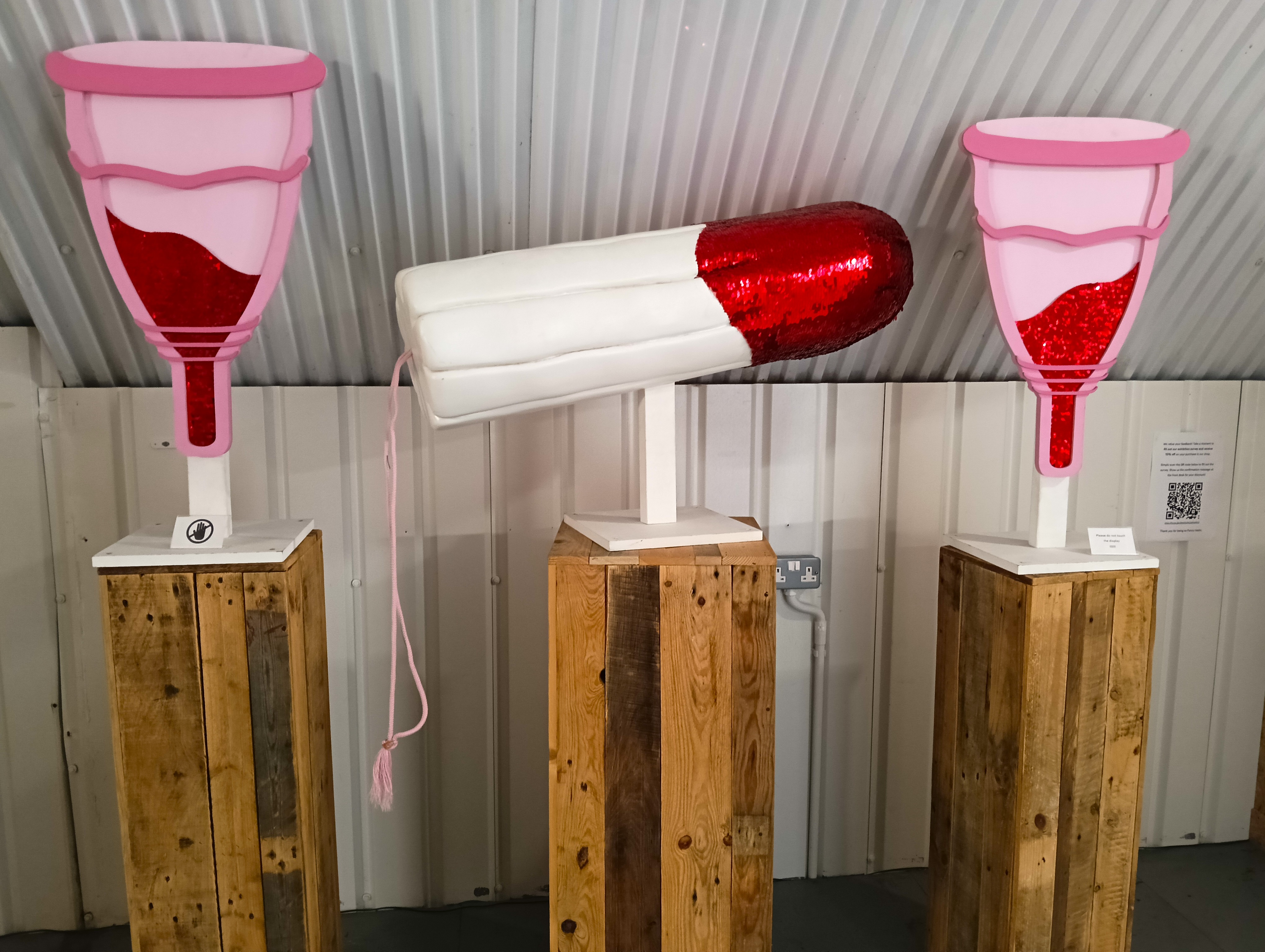
The three galleries are dedicated to the mothers of gynaecology
Anarcha, Betsy and Lucy were the mothers of gynaecology, three Vagina Museum’s exhibiting galleries are dedicated to recognising racism in the medical field. They were black enslaved women living in 19th century Alabama, now The United States of America, who suffered injuries following childbirth. They were subjected to multiple operations without anaesthesia by a white physician, J. Marion Sims, defined as the “Father of Modern Gynaecology”. Twelve women that we know of were subjected to experimental operations without their consent, without anaesthesia, and in front of an audience. Anarcha, Betsy and Lucy are the only ones whose names were recorded. Sims became rich and famous using the techniques developed during human experimentation on white women with anaesthesia.

The menopause exhibition
We never talk enough about menopause in the sexuality talk. It’s avoided because it’s associated with middle age and the ending phase of reproduction, but the first symptoms might appear in the forties. The Vagina Museum lists it all in its ground-floor exhibition, making a distinction between menopause and perimenopause, underlining that not only women get through it. A woman entered this phase in the past when she could no longer make children. It mentions the emblematic case of Katherine of Aragon, Henry VIII’s first wife. The couple conceived seven times, but only one child survived infancy. When she was thirty-five, she had no more pregnancies, and the king started attending Anna Boleyn.
In an exhibition angle, there’s a dress made by HRT envelopes titled “My Armour” by Rhubi Worth, and an informative panel debunks hormone stigma. Nowadays, they have better safety profiles, but it’s not mandatory to take them, and everyone is free to choose which path is better for them. It would be wonderful to be an animal as they’re almost without menopause! It seems true that it’s rare in non-human creatures because most of them die after they can no longer reproduce.
 Fiore Avvelenato
One Reply to “”